
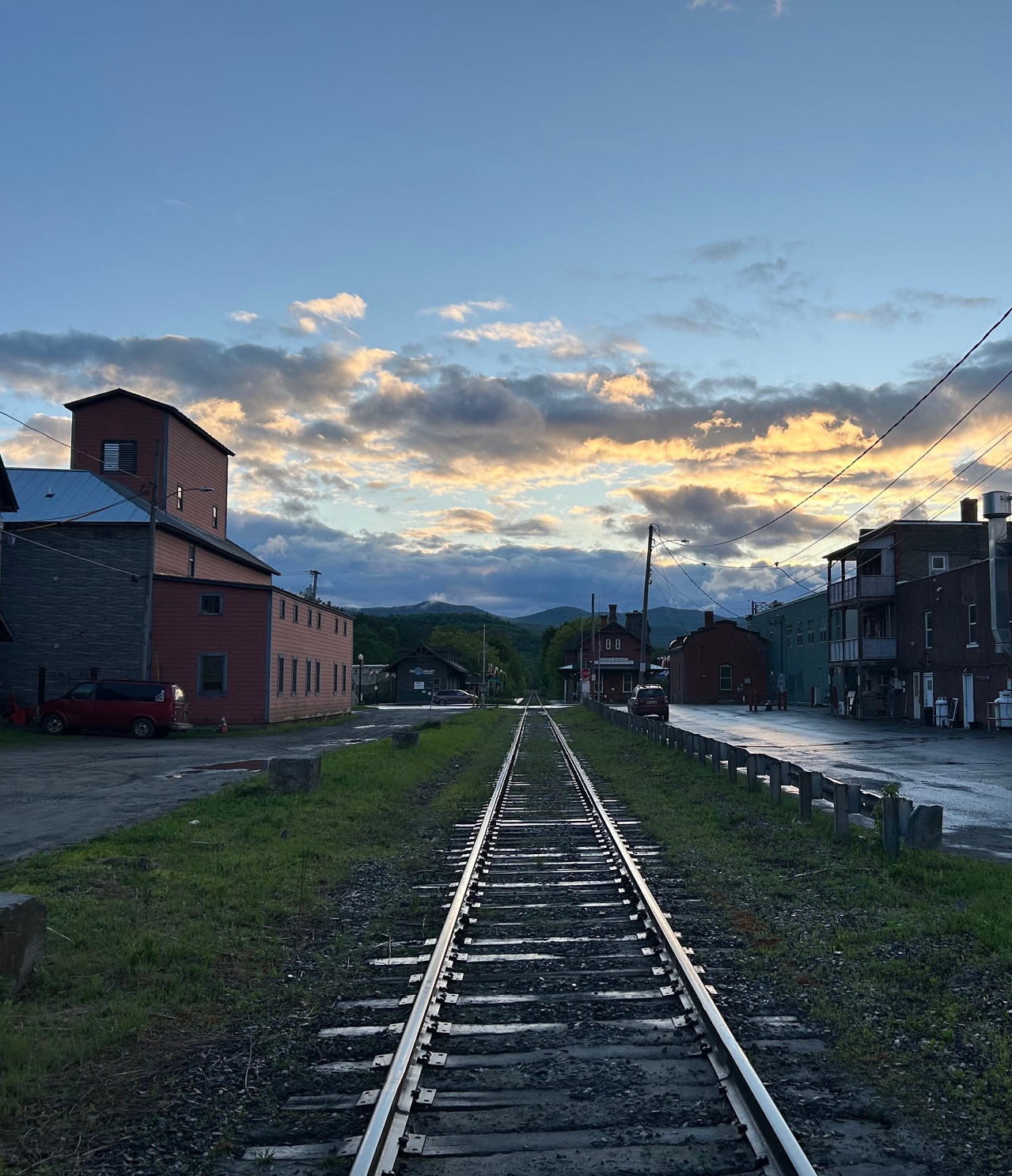
A two-year look at the growth, impact, and future of the Randolph Vibe
Over the past two years, Randolph has quietly built something rare for a rural Vermont town: a modern, community-centered digital ecosystem that helps us tell our story, strengthen our economy, and stay connected to one another. What began as a simple website in late 2023 has grown into a regional communications platform reaching tens of thousands of people each year. The Randolph Vibe now serves as a shared digital commons — a place where residents can see themselves, their neighbors, and the institutions that anchor our community.
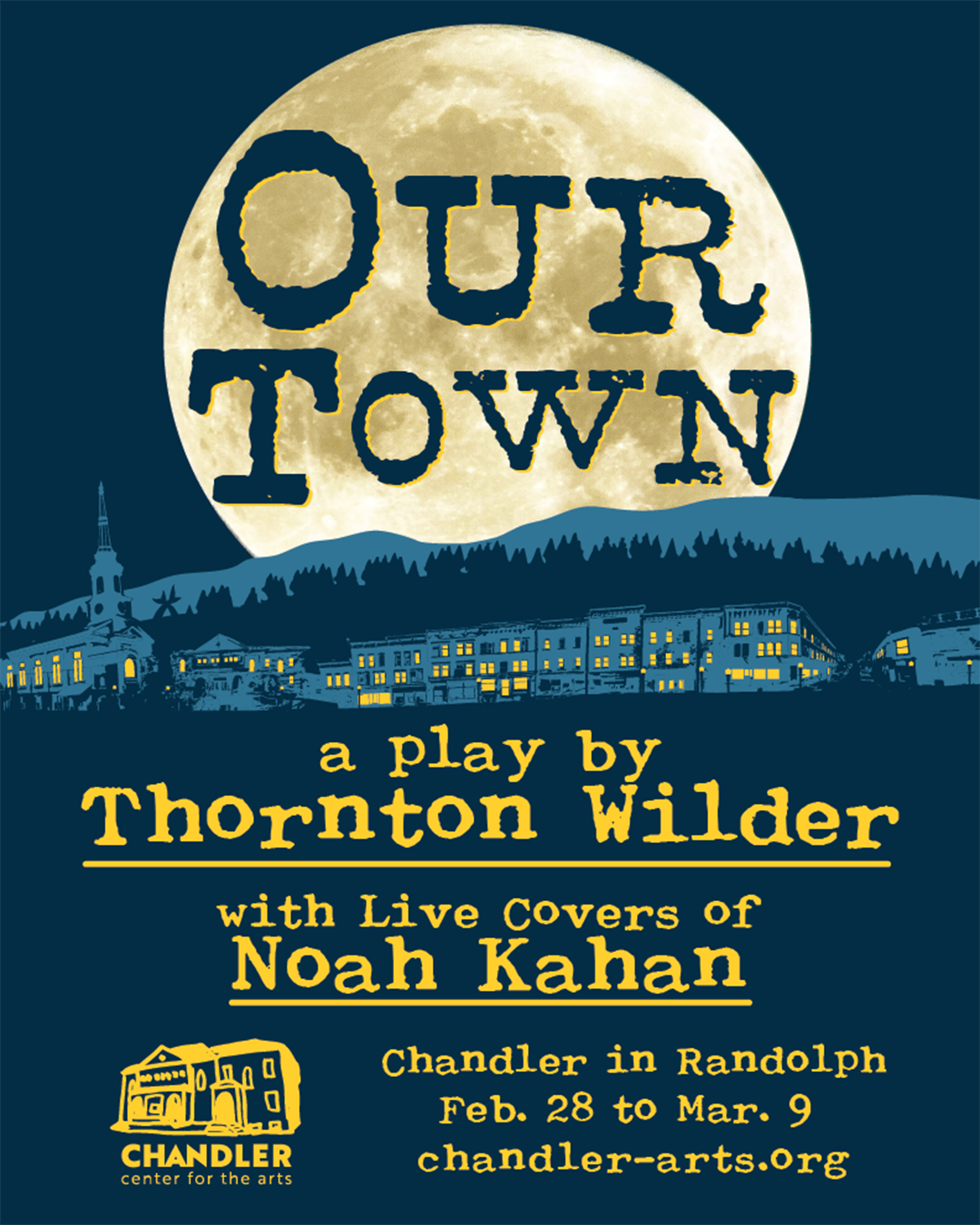 This work was supported in part by the Think GROW initiative, which helped expand storytelling, strengthen partnerships, and build the capacity needed to maintain a consistent, high-quality communications presence. But the media projects themselves — including the Randolph USA film short and the Our Town video — were funded through the Town’s budgeted economic development funds from 2022–2025 and through ARPA allocations, reflecting the Town’s long-term commitment to professional communications and regional visibility. The Randolph USA film short, in particular, represented a $40,000 investment—a deliberate choice to create high-quality, durable media assets that would generate economic activity for years to come. That investment was never meant to sit on a balance sheet; it was designed to show up in the pockets of local business owners by bringing more people into Randolph, increasing foot traffic, and strengthening the institutions that make our town vibrant.
A Two-Year Transformation in Local Storytelling
The numbers tell a clear story of growth and community engagement:
- 48,566 total website pageviews across 2024–2025, including a 56% year-over-year increase in 2025.
- 15,000+ blog views across longform stories.
- 100,000+ social media reach in 2025 alone.
- 60% of Vibe blogs republished by The White River Valley Herald, reaching more than 4,600 print and digital subscribers.
These numbers matter because they represent the top of a real economic pipeline. Every pageview is a potential visitor. Every story is an invitation. Someone in West Lebanon or Montpelier picks up their phone, reads a blog, clicks through to our dining page, and decides to come to Randolph for dinner, a show at Chandler, a movie, a gallery visit, or a bit of shopping.
In Vermont, the average visitor spends well over $100 per trip—food, retail, recreation, lodging, camps, biking, entertainment. When even a small percentage of our digital audience converts into real-world visits, the return on investment becomes clear: storytelling drives spending, and spending strengthens our local economy. There’s no perfect way to run the math, but, for example, if just 5% of Vibe website viewers, over the past 26 months, decide to visit Randolph, that translates into close to $300,000 in direct spending at our downtown businesses. Those are very real numbers — and they’re exactly why we believe so strongly in this project.
This growth reflects something deeper than analytics. It reflects trust — trust that the stories we tell about Randolph are accurate, human, and rooted in the lived experience of the people who call this place home.
2026: A Strong Start to a New Year
 The momentum has continued into 2026. In just the first two months of the year, the Vibe has already recorded:
- 13,300+ total pageviews
- 7,600+ blog views
- 42,900+ total engagement across platforms
These early numbers suggest that the community’s appetite for local storytelling is not only sustained but growing — and that the digital ecosystem built over the past two years is becoming a daily resource for residents, businesses, and institutions.
A Platform That Strengthens Our Institutions
One of the most important outcomes of the Vibe’s growth has been its impact on Randolph’s anchor institutions.
 Gifford Health Care gained new tools for recruitment, outreach, and community trust-building.
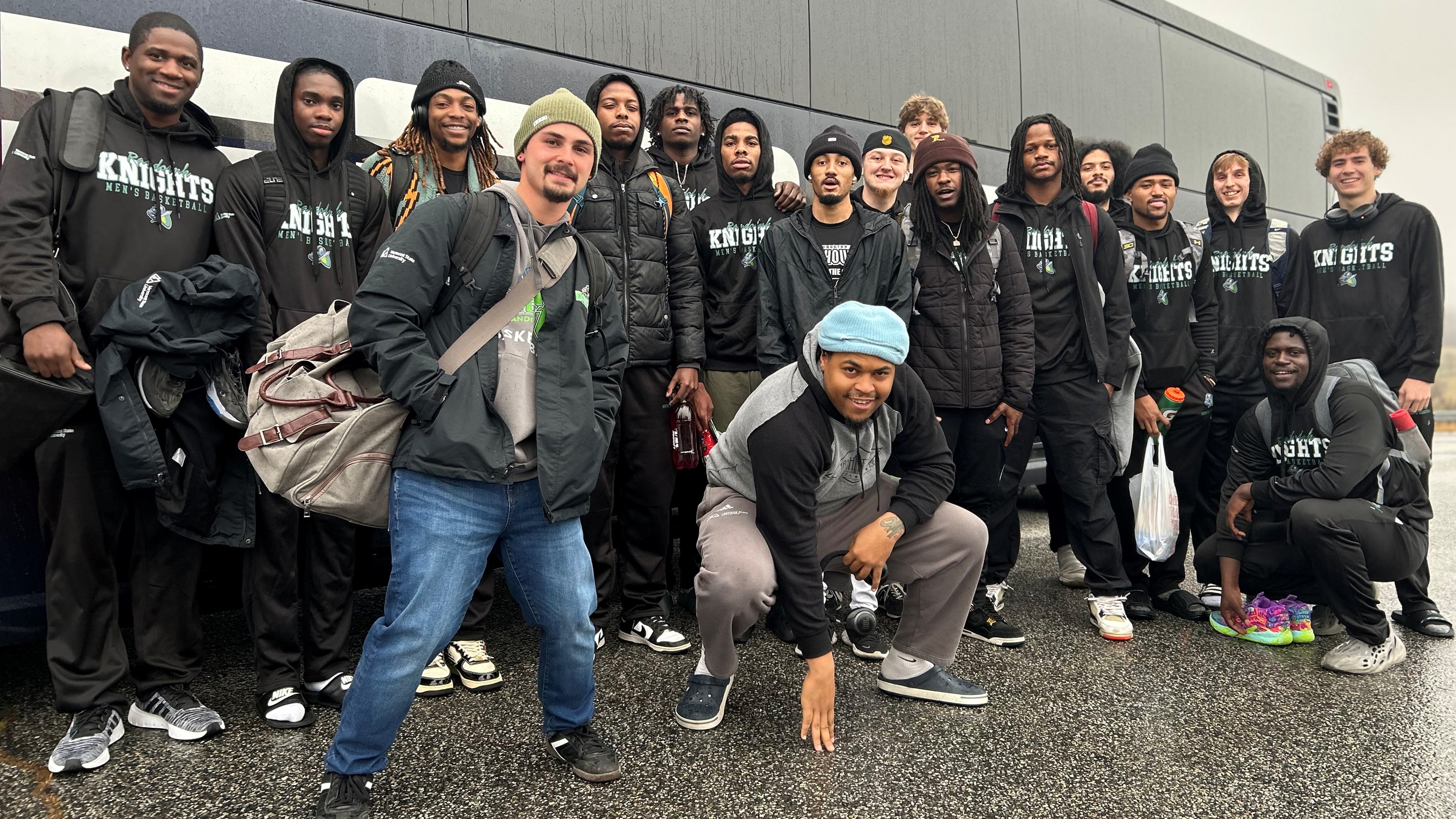
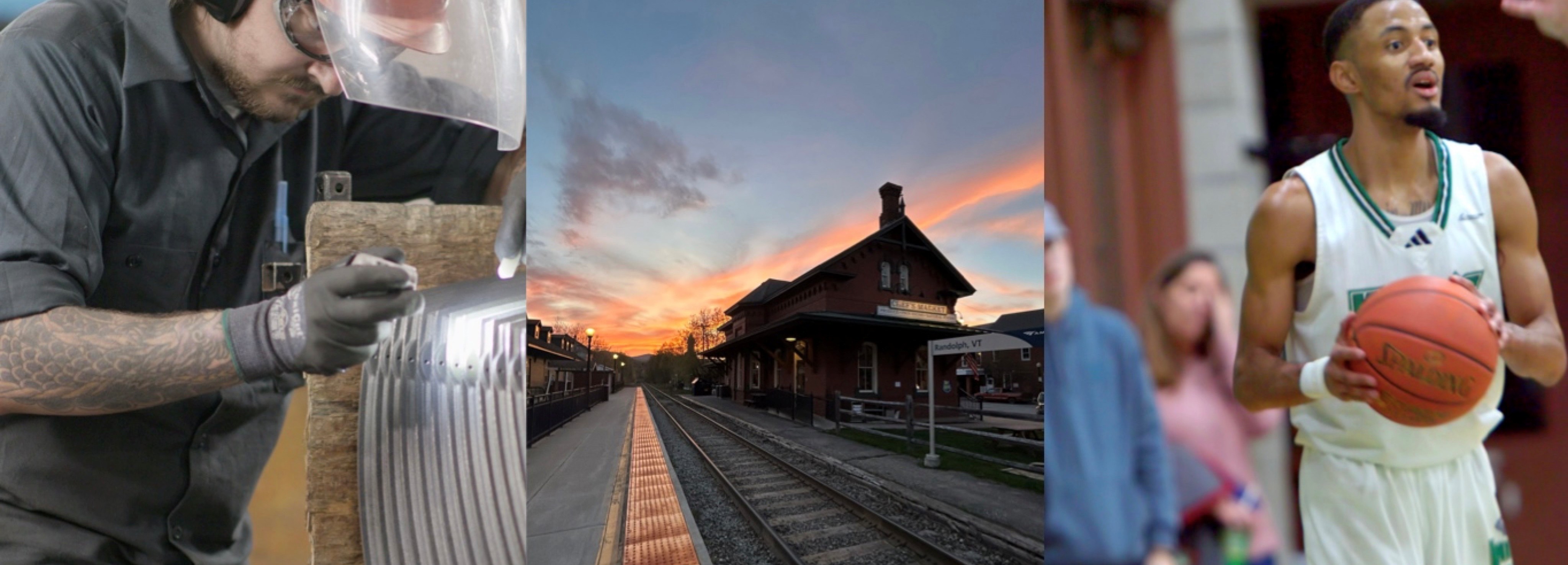
- VTSU–Randolph saw statewide visibility through the Randolph USA film short and the widely shared profile of Athletic Director Jamal Hughes.
- Chandler Center for the Arts expanded its cultural reach and used the Our Town video to help generate more than $40,000 in revenue.
These outcomes align directly with statewide goals of strengthening rural vitality, attracting and retaining residents, and supporting the institutions that make Vermont’s small towns resilient.
A Deep Archive That Will Serve Randolph for Years
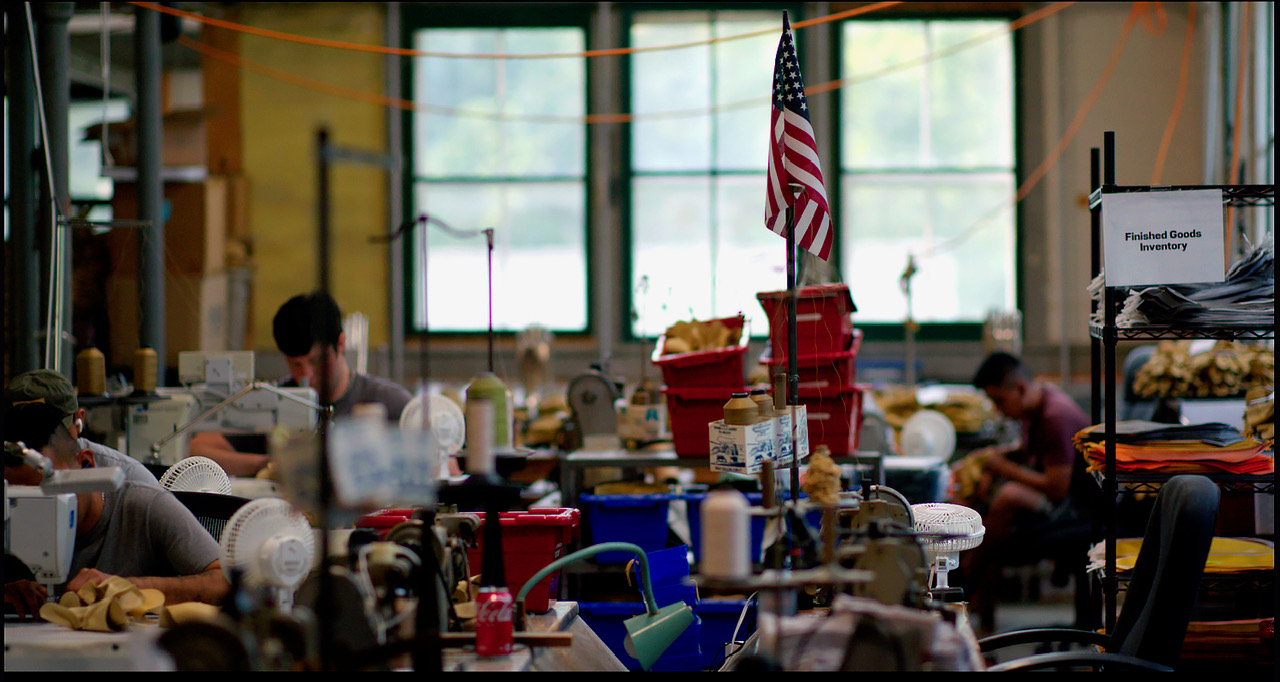
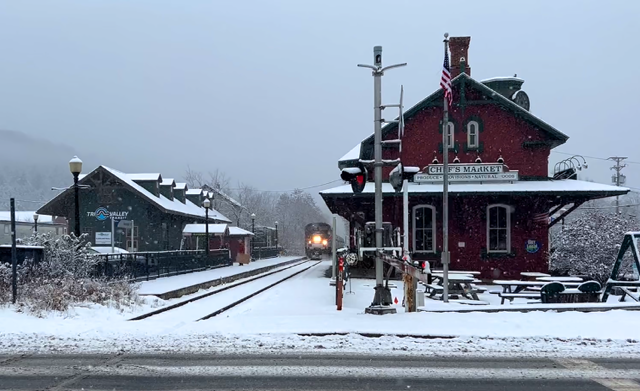
The Randolph USA project also produced something that will continue to benefit the community long after the film’s release: thousands of high-quality photos and hours of raw footage documenting local businesses, manufacturing, education, and healthcare. This archive—created as part of the town’s $40,000 investment in the film short—is expected to serve Randolph for approximately five years. It giving the Town and its partners a library of professional visual assets that can be used for:
- Workforce recruitment
- Institutional marketing
- Grant applications
- Tourism and resident attraction
- Future multimedia projects
For Gifford Health Care in particular, this material arrives at a critical moment. Rural hospitals across the country are navigating a broken healthcare system, and Gifford is no exception. The institution is working through a period of transition that requires strong communication, clear storytelling, and tools that help attract staff, build trust, and reinforce its essential role in the region.
Randolph cannot — under any circumstances — face a future without Gifford. The consequences for Central Vermont would be devastating: loss of emergency care, loss of hundreds of jobs, and a collapse of the healthcare infrastructure that supports families, seniors, and employers across the region. The footage captured through Randolph USA helps ensure that Gifford has the visibility and narrative support it needs to remain strong.
Community Dialogue and the Realities of Representation
As with any community storytelling effort, the work invites a range of reactions — and that dialogue is part of what makes a project like this meaningful.
 Some viewers have expressed concern that the Randolph USA film short presents a polished version of the town that doesn’t fully reflect the grit, complexity, or ongoing change that shape daily life here. Others noted that certain businesses featured in the footage have since closed or transitioned, raising questions about whether the film still represents the town as it is today.
Those reactions are understandable — Randolph is a living place, not a static postcard. Businesses open and close. Neighborhoods evolve. Challenges emerge and resolve. Any film that attempts to capture a moment in time will inevitably age, because the community itself keeps moving.
But it’s also true that Randolph contains multitudes. No single project can tell every story or represent every facet of the town. A film must make thematic choices, and this one chose to explore how a community responds to its challenges — not by pretending they don’t exist, but by acknowledging them and showing the people and institutions who continue to show up for one another. Many longtime residents recognized that framing immediately: a portrait of a town that is neither idyllic nor broken, but resilient, imperfect, and deeply human.
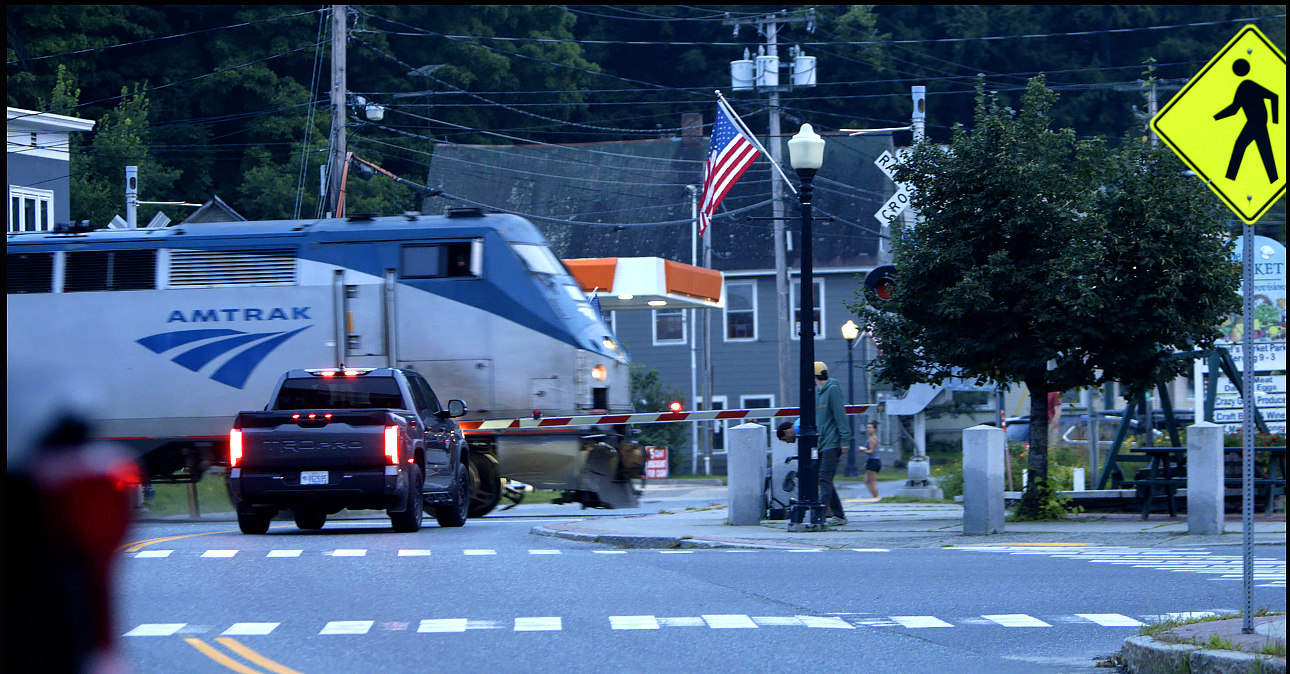 The inclusion of difficult moments — including the police interview — was not an attempt to define Randolph by a single incident, but to acknowledge that real communities face real conflict. The film’s narrative arc moves from that tension toward the broader truth: that Randolph’s identity is shaped not by any one event, but by how people choose to respond, rebuild, and stay connected.
As for the businesses that have since changed hands or closed, their presence in the film reflects the reality of the moment in which it was made. Rural economies shift quickly, and the film unintentionally captures that truth as well. The story of Randolph is not a fixed snapshot; it is a continuum of people, enterprises, and institutions that rise, adapt, and sometimes fade — and that dynamism is part of what makes this place real.
How the Town Funds and Supports This Work
Because transparency matters, it’s important for residents to understand how Randolph invests in its communications infrastructure.
The Think GROW grant supported the expansion of storytelling and digital ecosystem-building, but the major multimedia projects — including the $40,000 Randolph USA film short — were funded through the Town’s economic development budget (2022–2025) and ARPA funds, consistent with the responsibilities of the Economic Development Office. The film’s cost was covered through a planned combination of three fiscal years of budgeted economic development funds in the Town’s general fund, supplemented by ARPA support — a responsible, multi-year approach that ensured the project fit squarely within the Town’s long-term economic development strategy.
Those responsibilities include:
- Creating and implementing a marketing strategy for the Town
- Establishing partnerships with local, regional, and state organizations
- Coordinating economic development priorities across business, government, and community groups
- Serving as spokesperson on economic development issues
- Leading procurement for federal, state, and private grants
- Maintaining the Town’s Downtown and Village Designation status
These duties are not abstract. They are the backbone of how the Vibe operates — ensuring that Randolph’s story is told professionally, consistently, and in alignment with long-term economic development goals.
Why Storytelling Is Economic Development
The Vibe’s work is not just about sharing feel-good stories. It is a strategic tool for:
- Business attraction and retention
- Workforce recruitment
- Tourism and visitor engagement
- Institutional visibility
- Community cohesion and civic engagement
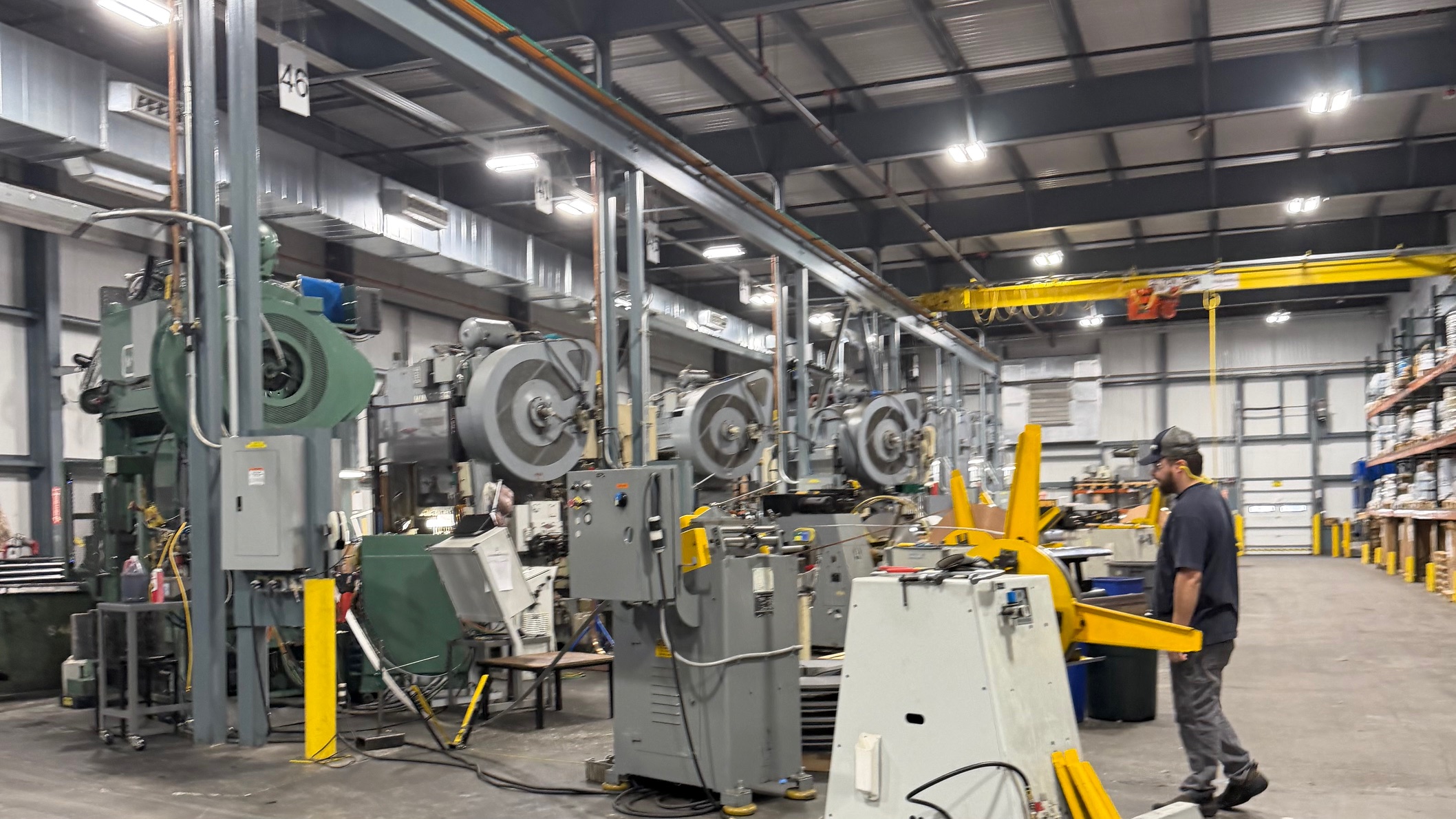
The Randolph USA film short, for example, highlights advanced manufacturing, technical education, and rural healthcare — three pillars of our local economy. The Our Town video weaves together health, industry, education, and culture into a unified narrative of who we are and what we value.
This is the kind of storytelling that helps a town compete—for residents, for workers, for investment, and for statewide recognition. And it is the kind of investment that pays dividends directly to the people who run our shops, restaurants, galleries, and venues.
A Lasting Community Asset
Perhaps the most important outcome of the past two years is the creation of a durable communications infrastructure that will continue to serve Randolph long after any single grant cycle ends.
That infrastructure includes:
- A well-trafficked website
- A trusted regional brand
- A library of high-quality stories and videos
- A media partnership with The Herald
- Strong institutional relationships
- A community that expects — and engages with — consistent storytelling
This infrastructure is now an integral part of Randolph’s civic fabric—and it is already driving tangible economic growth in the community.
Looking Ahead
While the Town did not apply for Think GROW funding for the Vibe in 2026, the work continues through partnerships — especially with Chandler Center for the Arts and their GROW-funded plan for 2026–2027. The Town remains committed to exploring future opportunities that support resident attraction, community identity, and regional storytelling.
The past two years have shown that when a community invests in its own narrative, good things follow: stronger institutions, deeper pride, and a clearer sense of who we are and where we’re going.
Recent Blog Highlights
A sampling of the stories residents have been engaging with across the Vibe:
2026 Highlights
- Blue Moon Rises
- Randolph Village Pizza Still Tastes Like Home
- Ripple Pizza & Bar and the Long, Thrifted Trip to Randolph
- What Chelsea Brings to Randolph
2025 Highlights
- Oak & Iron Comes to Merchant’s Row
- Seasoned Skillet: Randolph’s Newest Farm-to-Table Bistro
- Why This Randolph Farm Matters to More Than Just Your Dinner Plate
- Gifford’s New Era, Randolph’s Next Chapter
- Presses, People, and Pride at New England Precision
- Moose FC Launches Adult Summer Soccer in Randolph
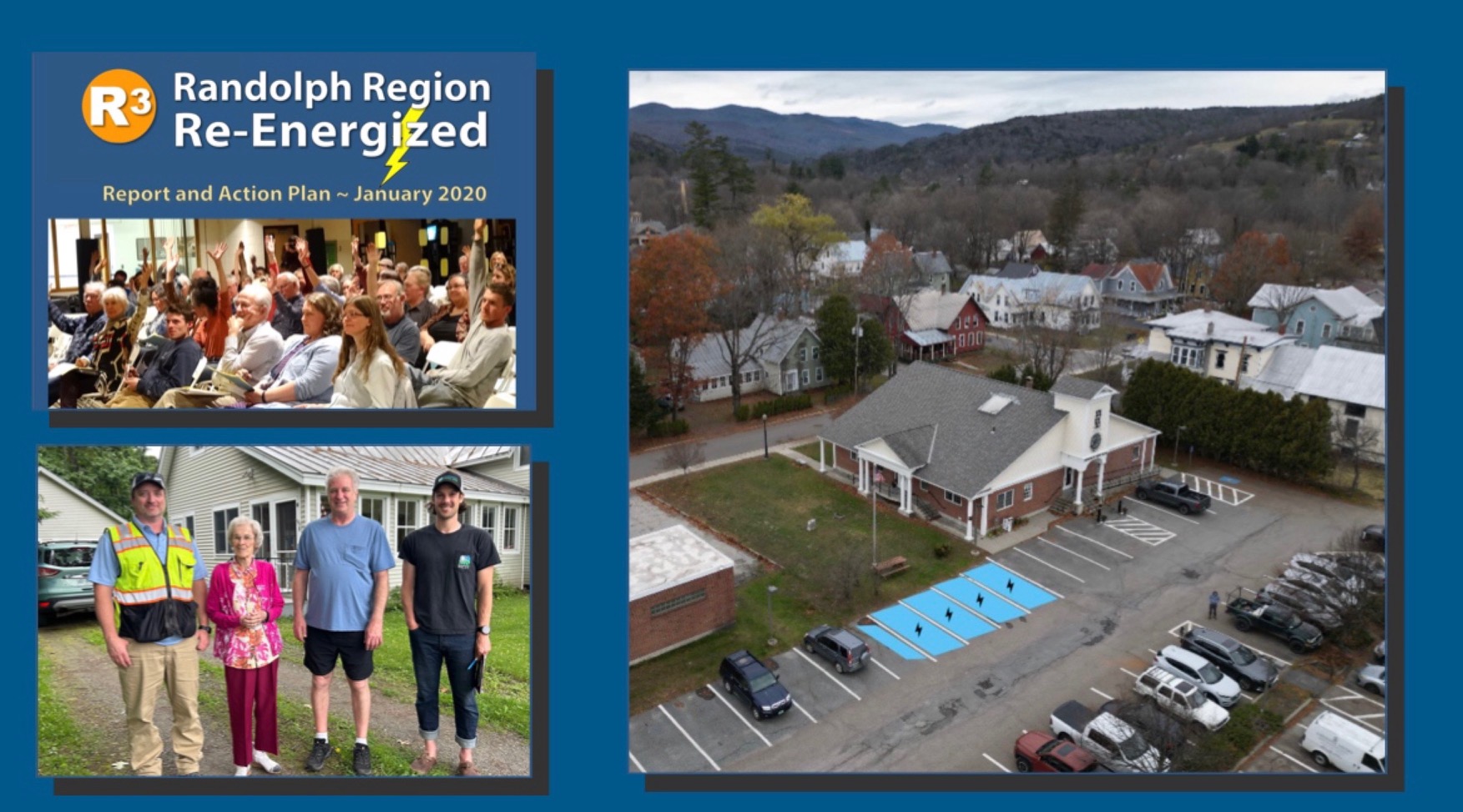
- Charging Ahead in Randolph’s Downtown
- Support Our Local Businesses Nominated for a Daysie Award
2024 Highlights
- A Story Begging to Be Told — Jamal Hughes
- What to Know About the Upcoming Election
- In the Barn with Rusty DeWees
- Support Our Local Businesses Nominated for a Daysie Award
Making Randolph a better place to live, work, and play.