
A day in the life of a case worker
The emotional impact is real and tangible, but impossible to quantify. Those subtle waves matter." Leanne Hoppe, Development and Communications Director, CVCOA
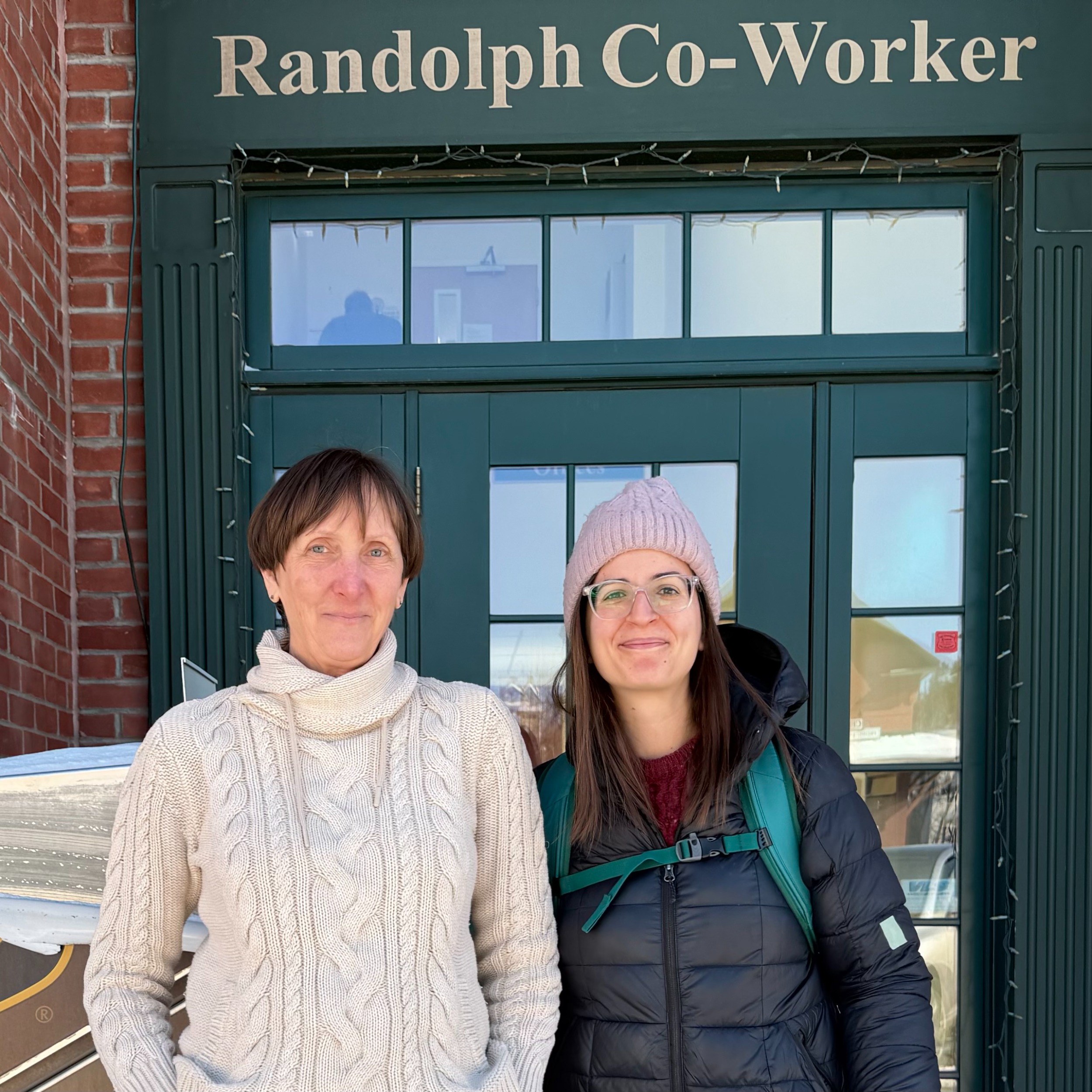
As a new member of the Central Vermont Council on Aging (CVCOA) Board of Directors, I’ve been learning how I can best support our Orange County team based in Randolph. One of the ways I’ve begun that process is by listening—sitting down with case managers to understand the realities of their work and the challenges they face. Recently, I had the opportunity to spend time with Jackie Ondy, one of CVCOA’s local case managers, whose daily efforts quietly hold our community together.
When the morning begins, Jackie is already thinking about her clients. As a case manager with CVCOA, her day rarely looks the same twice. One hour she’s sorting mail for a stroke survivor, making sure nothing important slips through the cracks. The next, she’s coaching a family through Medicaid’s Choices for Care program, translating policy into practical steps. Later, she’s checking housing paperwork—because a missed renewal could mean homelessness.
Jackie has been serving clients in Orange County for more than five years, and her steady presence has become a lifeline. “I can do whatever needs to happen,” she says, describing the flexibility the role demands. For her clients, those weekly visits aren’t routine—they’re safeguards against crisis, the difference between stability and collapse.
Each small action Jackie takes ripples outward. Preventing one eviction keeps a neighbor housed, but it also saves the healthcare system thousands of dollars in emergency costs. Helping a client apply for food assistance reduces stress, which in turn improves health outcomes. Coordinating transportation to medical appointments ensures that chronic conditions are managed before they spiral.
That ripple effect is especially visible when federal programs are in jeopardy. Case managers noticed a material increase in phone calls when Vermont’s food program, Three Squares, was threatened, as clients feared losing the assistance they rely on. The worry hasn’t gone away—there’s a real risk that cuts could return, and case managers are already seeing the negative impact of federal decisions that destabilize the lives of those CVCOA serves.
Jackie doesn’t operate in isolation. She meets monthly with SASH (Support and Services at Home), led locally by Ann Howard at the Randolph Area Community Development Corporation, alongside Gifford’s community health team, Capstone, and Clara Martin. Together, they compare notes, flag gaps, and coordinate support. Importantly, this collaboration is done with strict respect for client protections and confidentiality. Information is shared only as appropriate, with the proper safeguards in place, so that coordination strengthens care without compromising privacy.
At the heart of Jackie’s work is Choices for Care, Vermont’s long-term care Medicaid program. Once focused primarily on older Vermonters, the program now serves younger adults with disabilities as well. Jackie points out, “I’m working with clients as young as 23.” This expansion has added hundreds of new clients to CVCOA’s caseload, reshaping the agency’s role. What was once seen as elder care is now a safety net for people across generations.

Why it matters
The cascade effect extends beyond individual households. CVCOA’s work prevents costly hospitalizations, reduces homelessness risk, and sustains dignity for elders and younger adults alike. Jackie described the unseen impact: “I can’t tell you how many other people I’ve actually done case management for because right now I have a client whose brother is living in the same home. His wife is very ill. And I coached them on how to apply for Choices for Care. That’s an impact that doesn’t show up anywhere.”
Case managers aren’t just advocates—they’re also the watchdogs of home-based care. They make sure the services promised to clients—whether personal care, nursing, or support with daily living—are actually being delivered adequately. This oversight adds another layer of protection, ensuring that vulnerable Vermonters receive the care they’re entitled to and that providers remain accountable.
Leanne Hoppe, CVCOA’s Development and Communications Director, calls these the “subtle waves” of case management: “The emotional impact is real and tangible, but impossible to quantify. Those subtle waves matter.”
For those considering a career in aging services, CVCOA currently has two open case manager positions—one in Orange County and one in Washington County. Wages are among the highest of Vermont’s five Area Agencies on Aging, and staff are supported with training, flexibility, and collaboration. It’s a place to grow, to be valued, and to belong.
The work of CVCOA case managers is steady, often invisible, yet essential to the health of Randolph and central Vermont. Each day’s tasks—sorting mail, coaching families, catching paperwork errors, monitoring service delivery—cascade into stronger households, healthier neighbors, and a more resilient healthcare system. Their efforts form the safety net you don’t see, woven quietly but holding the community together.
As a board member, I see firsthand how vital this work is—and how important it is to support the staff who carry it out. Listening to Jackie Ondy and her colleagues reminds me that the best way to strengthen CVCOA is to honor and invest in the people doing the work every day. We thank Jackie Ondy and her fellow case managers for their dedication, compassion, and commitment to this work.