
If you’ve spent any time in the personal growth or podcast world, you’ve probably come across Mel Robbins—a bestselling author known for translating behavioral science into practical tools for navigating change.
During the pandemic, Robbins moved to Vermont. She’s spoken about how that decision reshaped how she lives, creates, and thinks.
That feels right for me and I suspect I’m not alone. Moving to Vermont doesn’t magically fix things, but it creates conditions where you can finally see what’s already there.
I came to Randolph the same way a lot of people did then: temporarily.
Six weeks. A pause. A reset. Some space to catch my breath during the early days of the pandemic, to work remotely, be outdoors, and spend time with family.
That was five years ago. Somewhere along the way, the temporary became rooted.
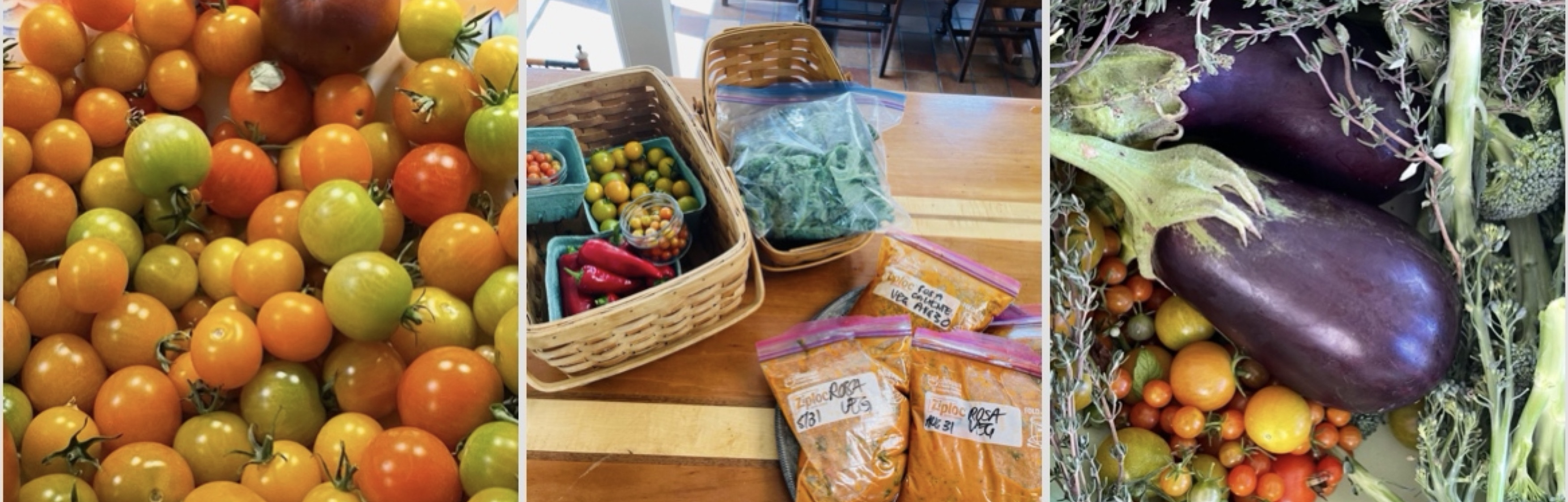
This past spring and summer, I took part in a very Vermont rite of passage: planting my first garden. Nothing elaborate—just learning when to be patient, when to realize sometimes starts from Spruce Lane Farms is the way to go, when to water, and when to leave things alone. Learning what actually thrives here, rather than what I thought should.
Now, with winter settling in, those lessons feel clearer than ever.
There’s something about Vermont—the long winters, quiet roads, and unhurried conversations—that demands you to slow down and take stock. Reflection happens on quiet forest walks, around a neighbor’s loud kitchen table, or lingering in the Playhouse after the lights come up, chatting with other moviegoers or in the space between noise and silence.
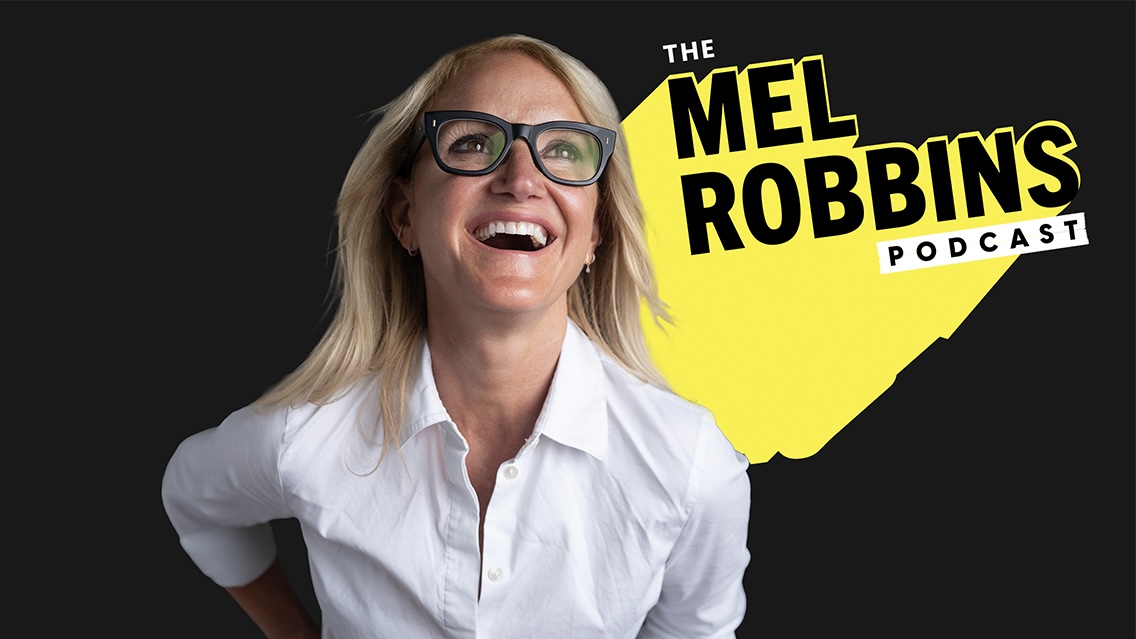 As the New Year approaches, I pressed play on the “How to Make 2026 the Best Year: 6 Questions to Ask Yourself” episode of The Mel Robbins Podcast and downloaded the free companion workbook. It didn’t introduce something entirely new— it mirrored what this place has been teaching me all along. A pause. An honest look at what’s growing. A decision about what’s worth tending moving forward into 2026.
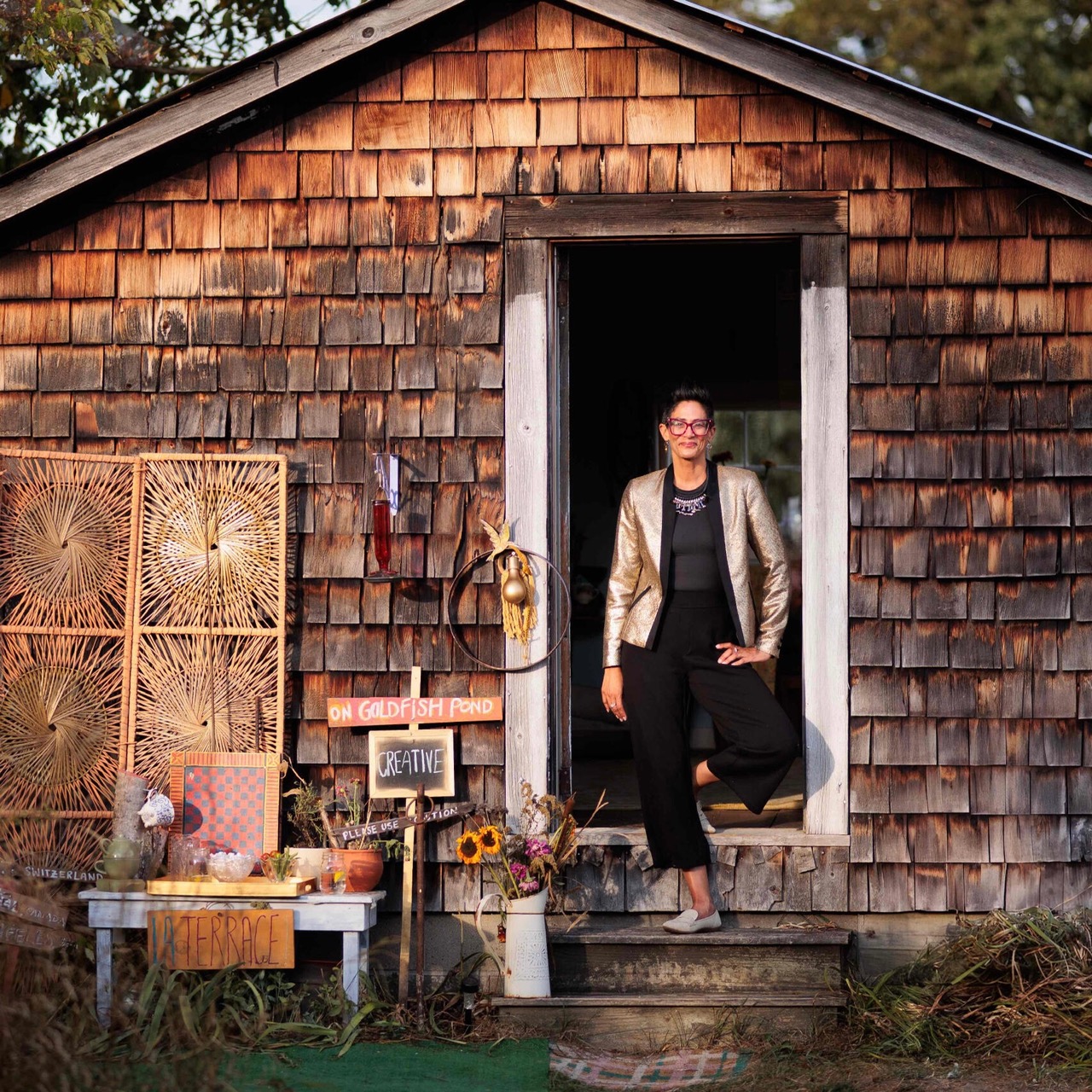
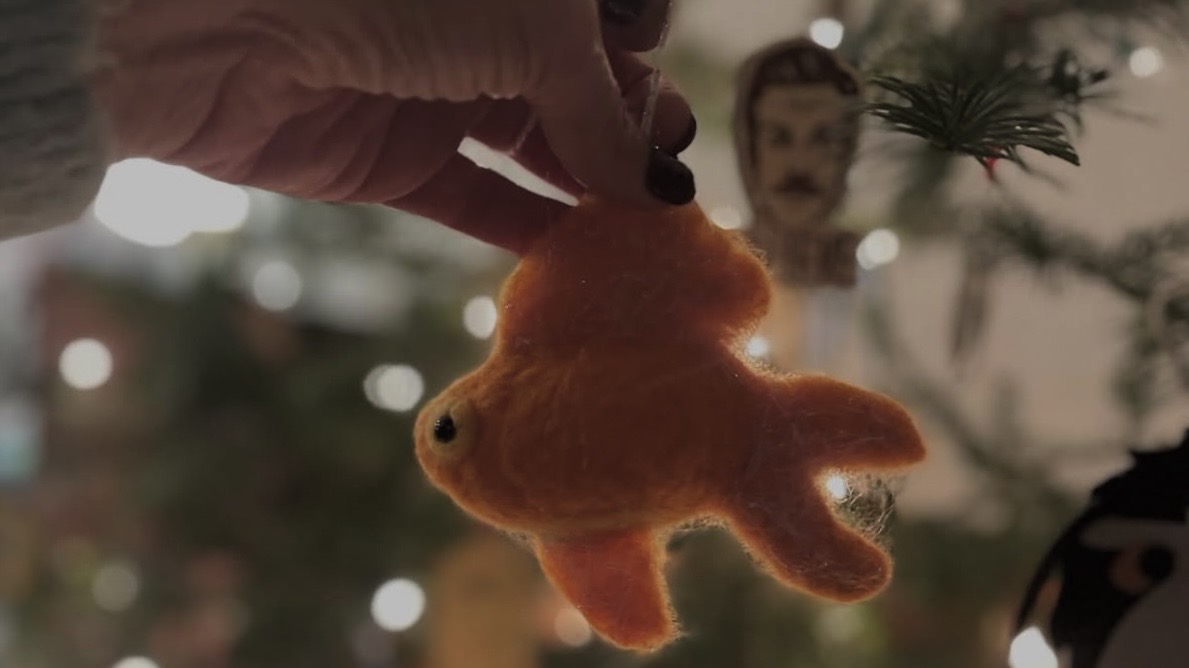
2025 has been a big one in many ways. I didn’t realize how important this exercise was going to be, but it definitely mattered more than I expected. Alongside everything unfolding in Vermont, the country, and the world, this year I went ahead and founded my company, On Goldfish Pond Creative, and launched an initiative here in Randolph called Hollywood, VT at the Playhouse—taking an idea and turning it into a real, monthly movie gathering of neighbors featuring Vermont connected films.
It was also the year I finally understood that slower isn’t a setback. It’s the point.
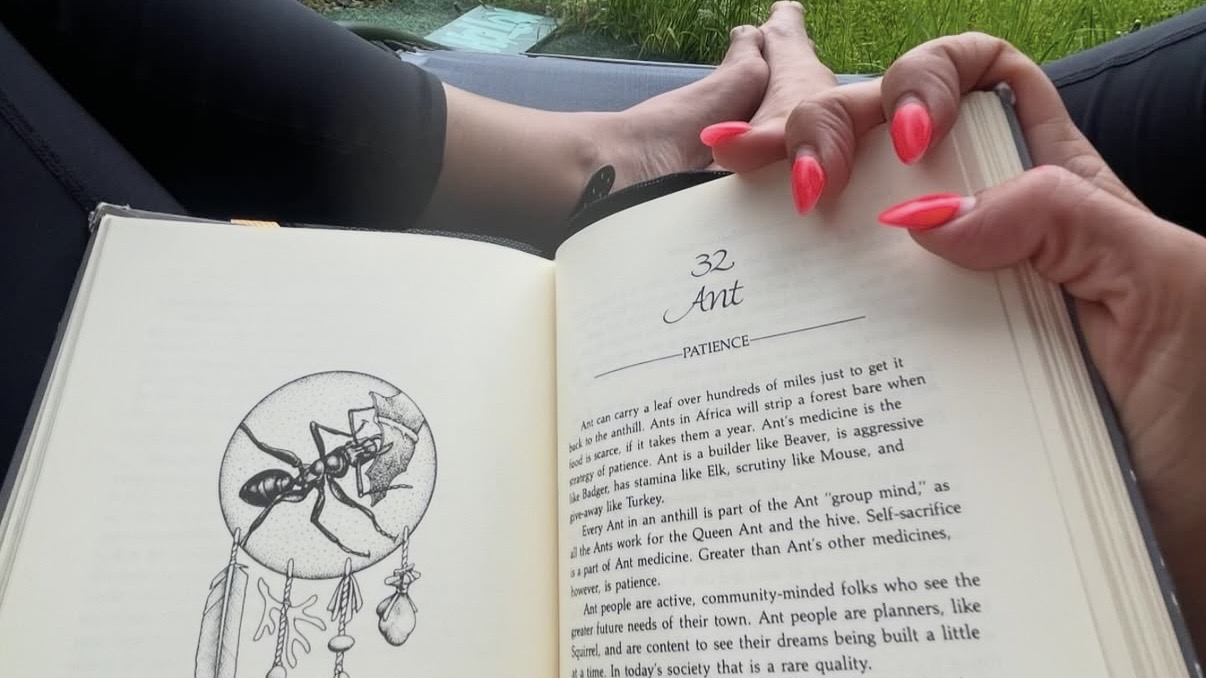
Looking Back, Honestly
One of the most useful parts of the workbook is its insistence on looking back honestly—not just at highlights, but at ordinary days.
Following the prompt from the workbook, when I flipped through my calendar, notes app and camera roll, I saw the year as a pattern: coffee meetings at Wee Bird that lasted longer than planned, notes scribbled mid-conference when a speaker sparked a new idea, forest walks with my ESA dog, Rupert, where future plans quietly took shape, last-minute swims off the floating bridge at Sunset Lake that put everything in refreshing perspective.
None of it flashy. None designed to impress. But taken together, tells the real story of the year, what held, what repeated, and what asked for more attention.
That’s something Randolph teaches you: the important things rarely announce themselves. They show up steadily and wait for you to notice.
What the Year Gave Me
The workbook also helped me see the difference between what you put out into the world and what comes back to you.
I didn’t get any of the professional grants I applied for this year. That was disappointing—I felt it. But what I did receive were invitations to join boards rooted in art, culture, and community here in Randolph and across Vermont, along with opportunities to collaborate with people I respect and admire from earlier chapters of my life. With a little distance, I could see that as information.
Stop. Start. Continue.
I also received feedback that some of my ideas might be “too big” right now.
That stung at first. When you’ve been carrying a vision for a long time, “too big” can sound like “not realistic” or “not welcome.” But I slowed down and listened, I realized the feedback wasn’t asking me to abandon the ideas. It was asking me to sequence them.
Start local. Start small. Test the concepts. Build a track record.
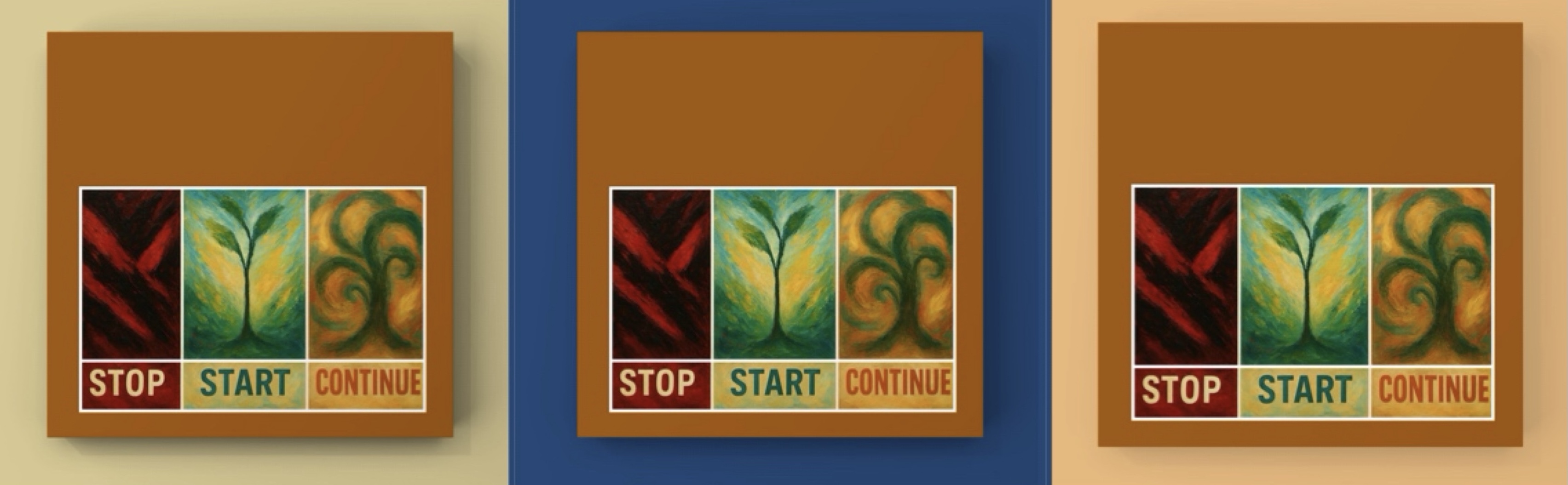
STOP: explaining the full, long-range vision all at once; measuring success only by scale, speed, or external validation
CONTINUE: holding the larger vision with care; designing work rooted in place and relationship; letting conversation guide what comes next
START: beginning with what’s right in front of you; testing ideas in real time, with real people; building trust one gathering at a time
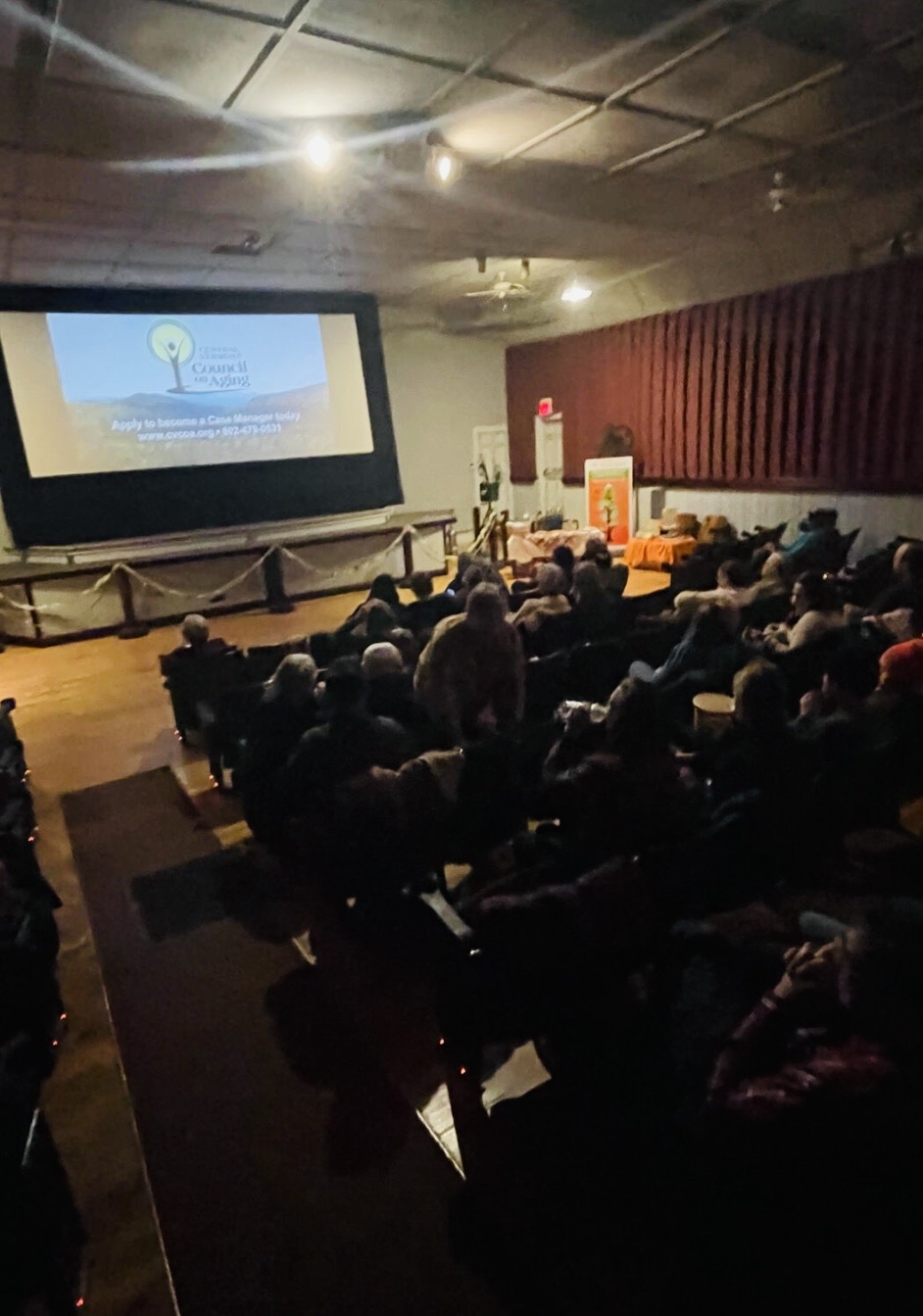 The monthly screening series at the Playhouse became the practical expression of that shift—a way to learn, listen, and build steadily, while laying the groundwork for future live movie script readings performed by Vermont-connected actors and cultural figures.
The bigger vision is still there. It just doesn’t need to arrive all at once.
The Garden Lesson
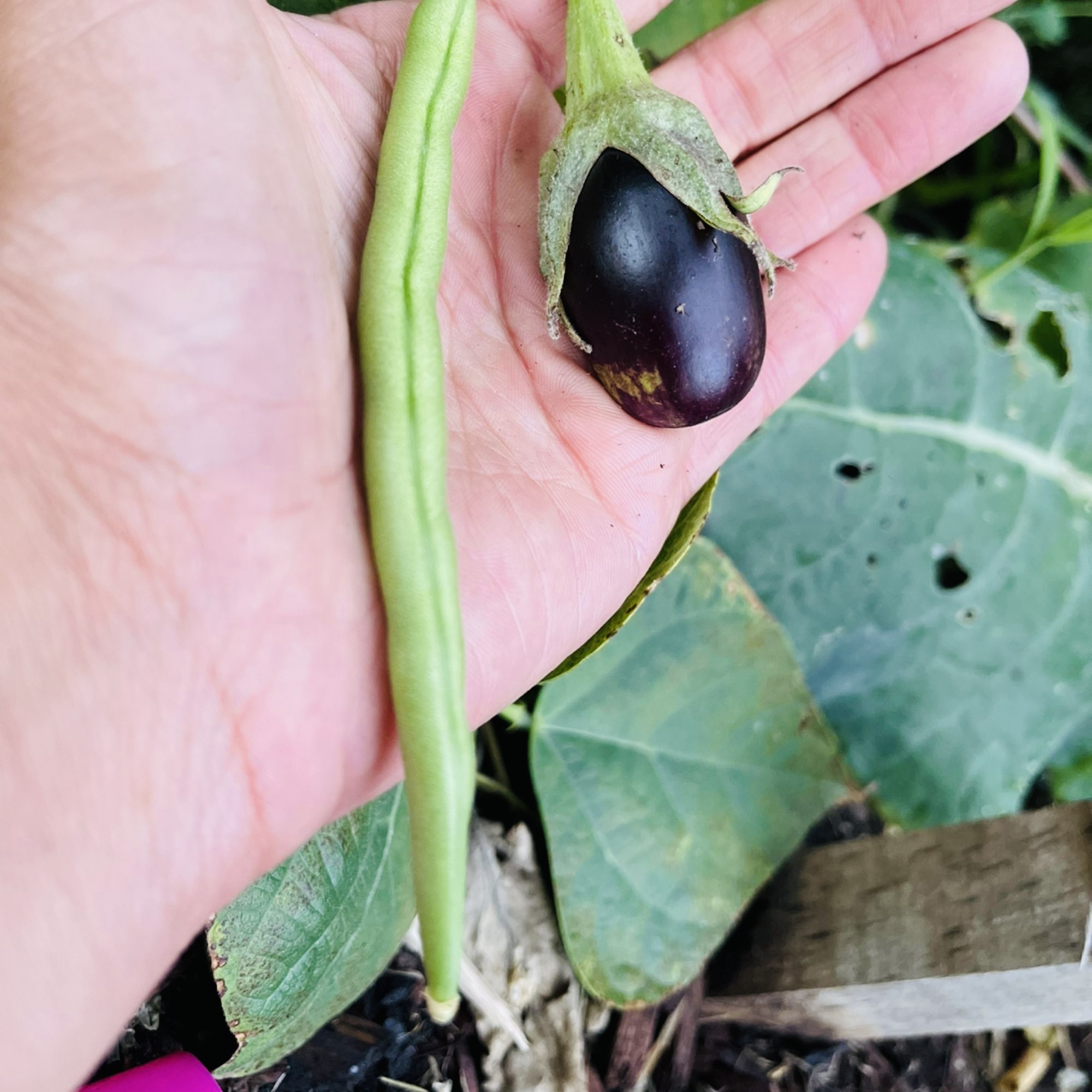 That lesson showed up again in the garden. The tomatoes thrived—I have a freezer full of sauce to prove it. The herbs and beans did well too. The eggplant? All leaves. Tiny fruit.
At first, I hovered, convinced it needed more attention. But what it really needed was time, warmth, and the right conditions. No amount of checking was going to speed that up.
Some parts of life are fruiting now. Others are still germinating. You don’t pull something out just because it hasn’t produced yet. You pay attention. You adjust. You wait. You reimagine. Around here, we know this instinctively. You don’t force the eggplant.
One Focus Is Plenty
Rather than a long list of resolutions, the workbook encourages choosing one clear focus for the year ahead.
Mine is flow. Flow in how I work. Flow in how projects come together. Flow between showing up and stepping back.
A Gentle Invitation
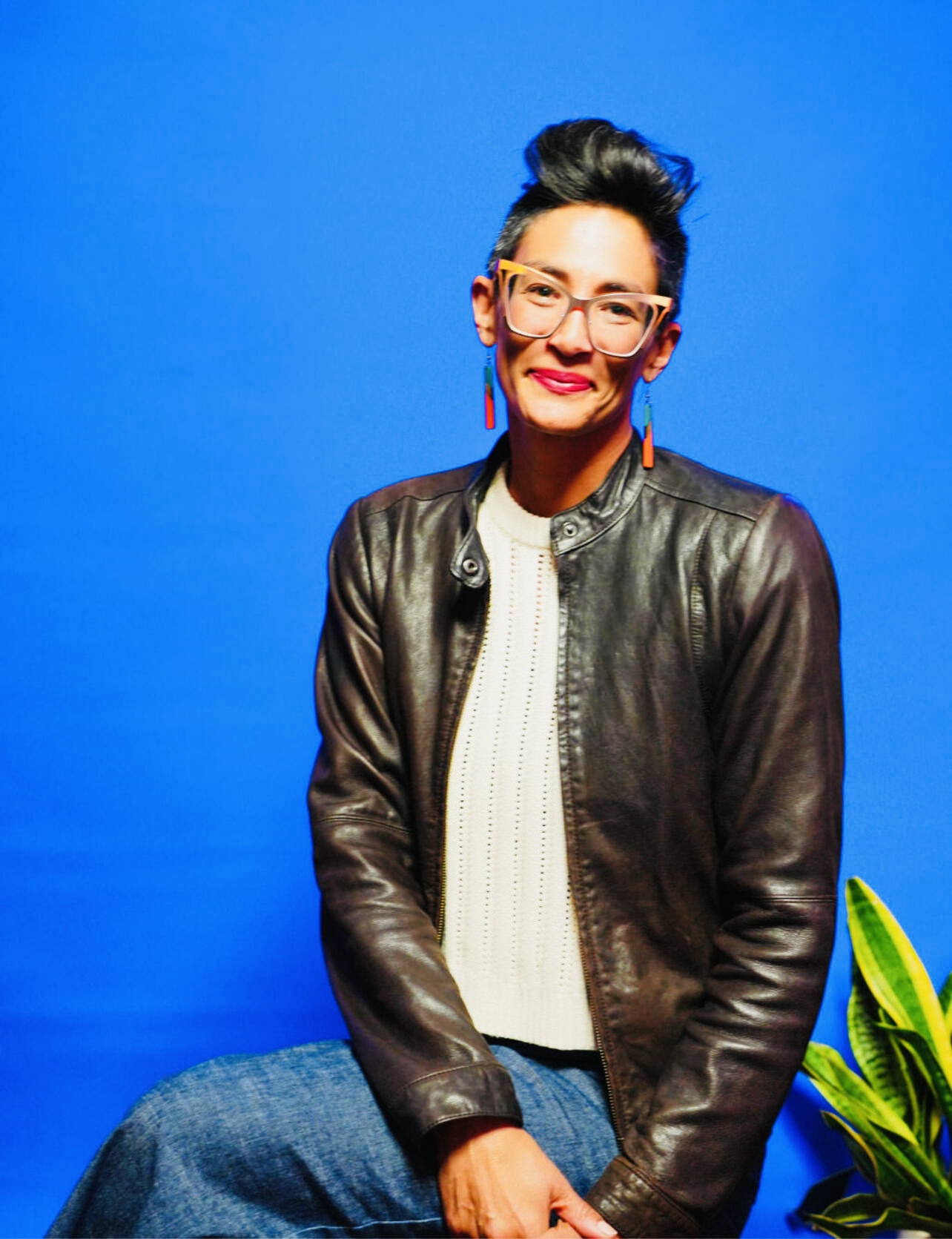 If this kind of reflection feels useful—or if you’re in a season of quiet recalibration—I’d invite you to listen to the episode and try the workbook.
There’s no pressure to do it perfectly. Like most things here, it works best when you take your time: a cup of coffee, a notebook, maybe a walk in between.
Sometimes that’s all you need to begin— a pause, a little honesty, and a willingness to tend what’s already growing. And that feels like a pretty good way to head into what’s next.
Looking forward to hearing about your focus for the new year, neighbor.